
What Traveling to Bhutan Is Really Like: Culture, GNH & Modern Realities
Discover what traveling to Bhutan is really like. Explore the kingdom's unique Gross National Happiness philosophy, carbon-negative landscapes, rich culture, and practical travel realities.
The first thing you notice arriving in Bhutan is what is missing. No golden arches. No massive flashing billboards. No traffic lights, not even in the capital city. The absence creates a unique sensation—a quiet alternative to the fast-paced rush of global hubs.
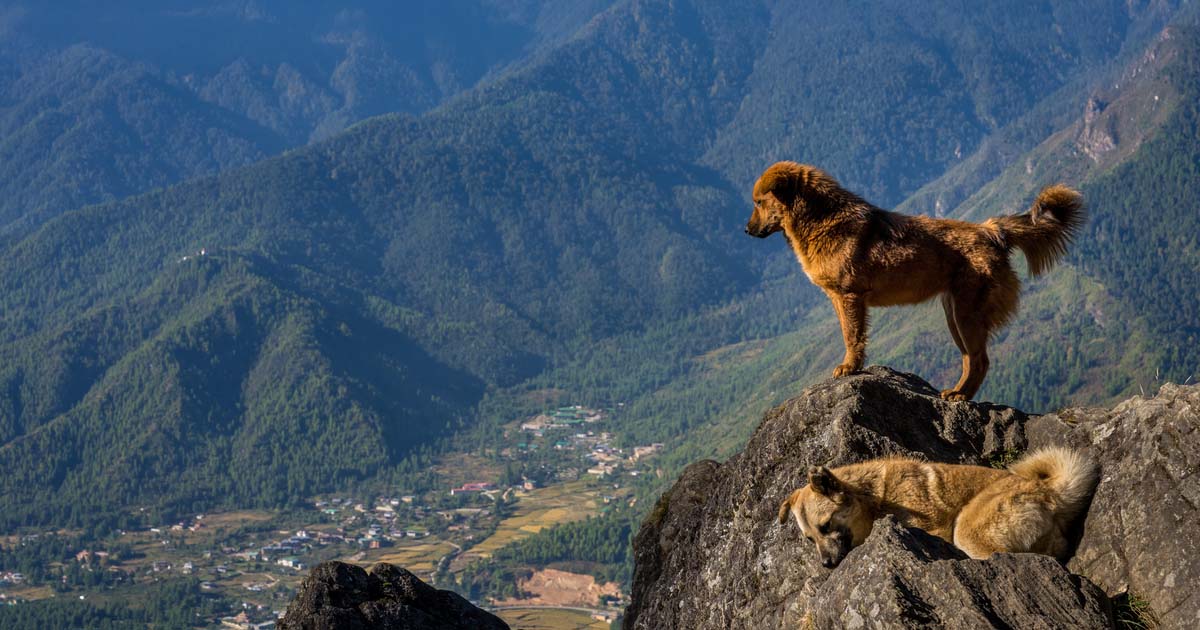
Then you notice what is present. Forested mountains covering roughly 70 percent of the land. Pristine rivers. Traditional architecture mandated by law, ensuring that modern structures reflect Bhutanese heritage.
Welcome to a kingdom where national progress is measured alongside economic output, and development follows a distinct vision.
The Traffic Policeman in the Painted Booth
Thimphu is famous for being a world capital without traffic lights. The government did install a set once at the main intersection downtown. However, citizens found them too impersonal, and they were quickly removed.
Instead, a police officer directs traffic from an ornate booth painted with traditional motifs. His white-gloved gestures guide vehicles through the intersection in a calm, ceremonial rhythm. Drivers wait patiently, horns remain silent, and the system flows smoothly.
This small detail captures something essential about Bhutan: global solutions are not automatically adopted here. Every change is evaluated against local values and practical needs.
Environmental Stewardship & Carbon Status
Bhutan absorbs significantly more carbon dioxide than it produces, thanks to its extensive forest coverage and reliance on renewable energy.
- Forest Cover: The constitution mandates that at least 60 percent of the country remain forested for all future generations. Today, forest cover sits at around 70 percent.
- Hydropower: Most domestic electricity is generated through clean hydropower projects.
- Conservation Policies: Protected national parks and biological corridors allow wildlife to move freely between habitats across the Himalayas.
The commitment to ecological preservation remains central to national policy.
Gross National Happiness (GNH)
In 1972, Bhutan's Fourth King declared that Gross National Happiness (GNH) mattered more than Gross Domestic Product (GDP). What began as a philosophy evolved into a structured policy tool.
The GNH framework measures progress across nine key domains:
- Living Standards
- Health
- Education
- Governance
- Ecological Diversity & Resilience
- Time Use
- Psychological Wellbeing
- Cultural Diversity & Resilience
- Community Vitality
Government policies and development projects undergo screening against these criteria to balance economic growth with cultural and environmental integrity.
Culture, Dress, and Modern Life
Bhutan opened to international tourism in 1974, with television and the internet arriving in 1999. Despite global connectivity, distinct cultural traditions remain strong.
- Traditional Attire: The gho (a knee-length robe for men) and kira (an ankle-length dress for women) are worn in schools, government offices, and formal gatherings.
- Architectural Codes: Buildings incorporate traditional woodwork, painted motifs, and sloped roofs to preserve the visual landscape.
- Living Heritage: Vajrayana Buddhism is deeply integrated into daily life. Prayer flags flutter across mountain passes, and historic dzongs operate as both monastic centers and administrative headquarters.
Navigating Modern Challenges
While Bhutan offers a unique approach to development, it faces real-world challenges:
- Youth Emigration: Educated young Bhutanese frequently move abroad (particularly to Australia) in search of expanded career opportunities.
- Economic Diversification: The economy relies heavily on hydropower exports and tourism, making economic diversification a priority.
- Climate Vulnerability: As a Himalayan nation, Bhutan is sensitive to glacial melt and shifting weather patterns caused by global climate change.
What Travelers Experience
Traveling through Bhutan—whether hiking up to Paro Taktsang (Tiger’s Nest) or exploring valley monasteries—offers a shift in perspective. The country’s unhurried pace, high-altitude landscapes, and commitment to cultural preservation provide a travel experience unlike any other in the region.